Imagine the apps you have on your phone. The ones you go to each day without even noticing the habits that trigger them, and your thumb knows which direction to take. The reason for this natural interaction is a huge amount of human psychology and deep technical engineering. The modern-day user has an absolute policy against digital friction. If a mobile screen stutters for any fraction of one second, takes too long to load on weak cellular data, or if it fails to send notifications, they are deleted within minutes. For funded founders and growth-oriented enterprises, the stakes could not be any higher. It takes more than a beautiful page or a smooth surface for launching a digital service. It is imperative to establish the support of a prominent mobile app developer that engineers humans’ retention right from the beginning stages of production.
Navigating the Constantly shifting Ecosystem Rules
The development of mobile apps is a specialized field in comparison to traditional web engineering since you’re creating on sand that is moving. Apple introduces a new version of its operating system each in the fall. The new version includes more stringent privacy guidelines, the end of old code, and alterations to app store reviews protocols. Google follows a complex timeline. The notification system is constantly evolving and background processes are regularly updated. If your team does not have its eyes firmly fixed on these evolving guidelines, your product will quickly fail, resulting in negative reviews and broken features. This is precisely why businesses must intentionally hire mobile app developer teams who view their work as an ongoing lifecycle rather than a one-time coding sprint. The job is a continuous release engineering process to ensure that the automated pipelines for shipping stay in operation and safe throughout every single operating system shift.
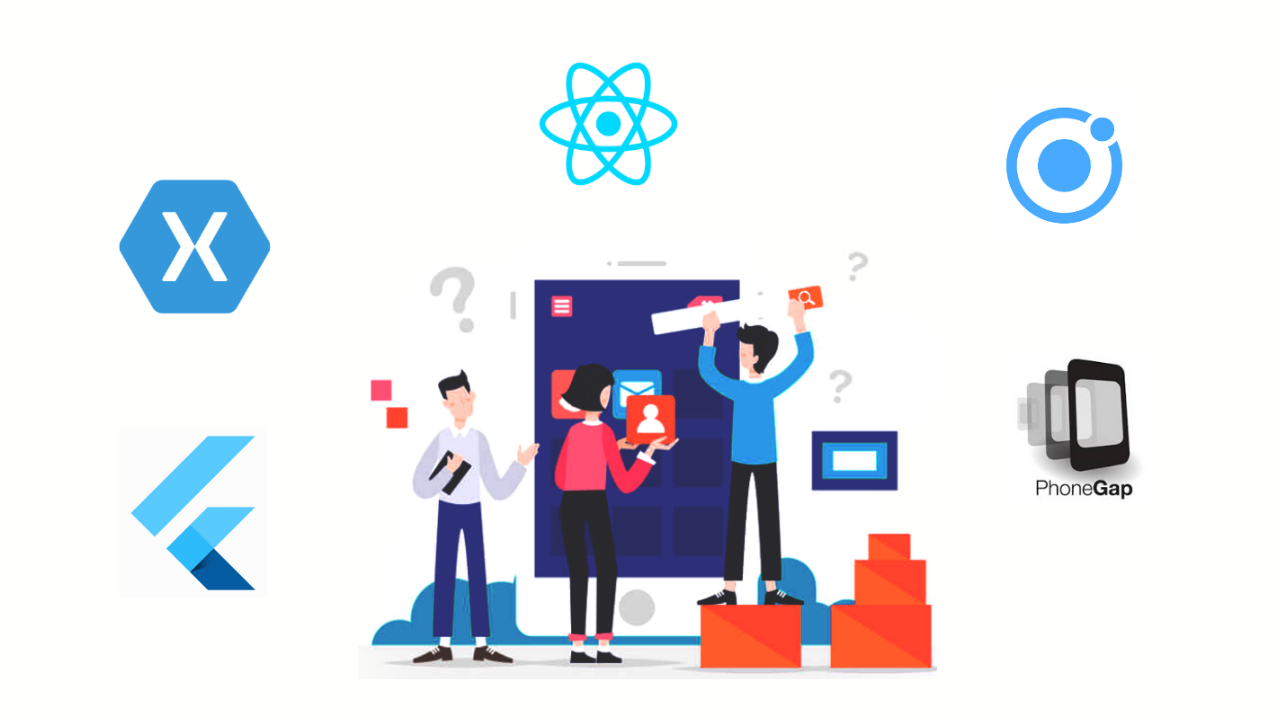
The Crossroads of Native Experiences
When determining a mobile plan, it’s inevitable that developers will arrive at an important crossroads. They need to decide how code interacts with the physical hardware. The choice of dedicated iOS app developers provides teams with unlimited access to Apple’s most recent native frameworks. This enables them to produce smooth animations, with strong connections to features like HealthKit and biometric security. On the other end of the landscape, investing in targeted Android app development services ensures your app can handle the incredible variety of screen sizes and processing capacities offered by the global device market. Native architecture is the standard if your business model relies heavily on access to devices that is low-latency, for example, interacting with Bluetooth devices, tracking real-time location, or offering an effortless checkout process through native billing platforms.
Rapidly accelerating production times with Cross-Platform Engineering
In many companies that are rapidly growing, funding constraints and competitive pressures make it difficult to launch apps across two separate operating systems simultaneously can put an enormous strain on resources. A cross-platform strategy allows developers to design, develop, and maintain one codebase which is compatible with both platforms. This hybrid approach slashes traditional launch timelines by months, allowing companies to collect real-time feedback from users at only a fraction of the cost. A specialized Flutter company can help brands create extremely stylized and elegant user interfaces that maintain the same visual style across all platforms. With an established foundation of automated testing, as well as strong background data sync, this cross-platform approach offers the ideal balance of fast market access and efficient execution.
Inspiring long-term sustainable user engagement
At the end of the day, the success of a mobile launch will be measured by long-term, sustainable user behavior, not only short-term increases in downloads. The best mobile architecture builds crucial behavioral triggers directly into the tech stack, ensuring that onboarding flow functions are beneficial within the first 60 seconds, that local data caches effortlessly during sudden drops in cellular, and that notifications systems adhere to the users’ focus. The main goal remains identical, regardless of whether your team is trying to release a minimum viable product (MVP) to prove the market’s acceptance or implement an enormous enterprise data system which requires strict compliance. Digital Heroes can help you build a digital asset that is durable, that helps drive company growth and stays on the screens of your users for years.