An aging wastewater liftstation is located in a municipal. The pumps have reached the maximum lifespan and the controls are inefficient, as well as the access hatch is deteriorated. Even though the concrete wetwell is solid structurally, it requires to be modernized.
Should the station be totally demolished? Not necessarily. It is better to ask if the infrastructure is able to support a modern system of pumping without compromising future capacity in terms of reliability, reliability, or accessibility.
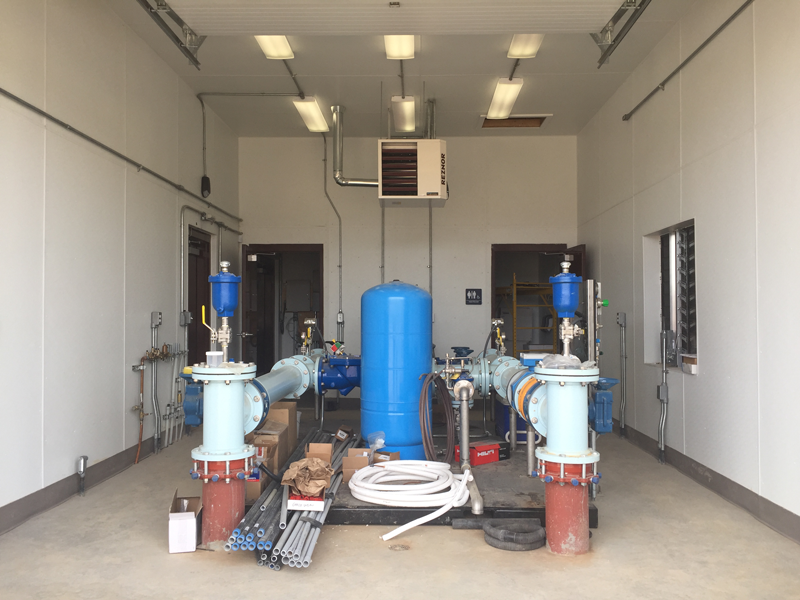
Image credit: romtecutilities.com
A thoughtfully designed retrofit of a pump station can help preserve important infrastructure and replace components that no longer meet operational standards.
Start with the Structure That No One wants to replace.
The wet well is typically one of the most expensive and challenging components to replace, as it’s submerged, connected to existing piping, and vital for wastewater collection.
If the concrete structure is usable, its retention could minimize excavation and construction work.
But, any deterioration that occurs around the access hatch could complicate the choice. Romtec Utilities has identified wet-well hatch replacement as an important retrofit. It might be more reliable to repair the top slab instead of installing a brand new hatch onto deteriorated concrete. This method can increase accessibility and improve the functionality of the structure without rebuilding the complete wet well.
A More Powerful Pump Modifies the Engineering
Imagine a neighborhood that has increased significantly from the time of the first lift station installation. It’s possible that current pumps are not capable of handling the increased the flow of wastewater.
Pumps that have higher horsepower can be used to improve an existing pumping station, however the equipment has to be integrated into the system. More powerful pumps may require changes to elbows for discharge, pipes valves, electrical controls and other elements.
Engineers also need to evaluate the system’s hydraulic requirements, including the flow and head total dynamic. A larger pump installed without checking these parameters can cause problems with operation rather than addressing the issues. The planning of future capacity at the initial design process can allow for later expansion much more easily.
Keep Wastewater Moving during Construction
Retrofitting a wastewater pump station introduces a challenge that ordinary replacement of equipment projects do not be able to overcome: the station might require to be operational throughout the construction.
When contractors aren’t busy they continue to receive wastewater. According to the plan an interim bypass pumping system is required to ensure service is maintained as the existing equipment is taken down or new parts are installed.
Romtec Utilities tackled this type of challenge at the Federal Law Enforcement Training Center located in Brunswick, Georgia.
The project included replacing two wastewater lift stations that were in poor condition in the process of maintaining operation at the facility. Site-specific engineering, packaged replacement systems, and bypass pumping strategies were used to adapt to the existing station footprints and operational requirements. The case study illustrates why the sequence of construction should be considered before installation begins.
When replacement becomes the better Alternative
Each station is not able to be repaired. A severely deteriorated wet well, inadequate structural capacity, or major changes in hydraulic requirements may make sewer lift station replacement more appropriate than modifying the existing installation.
It is vital that the decision taken takes into consideration structural requirements the compatibility of equipment and accessibility to construction, as in the long-term requirements for operation. Romtec Utilities begins retrofit and replacement projects by determining what components will be retained and which ones require replacement.
From there, the business creates engineering solutions that are specific to the site as well as preliminary designs and budgetary estimates. Prefabricated components are also able to help with installation and can reduce needs for construction on site.
The Project Isn’t Finished When the Pumps Start
Modern lift stations have to be operated as an integrated system. Before returning it to normal service, it is necessary to start testing and commissioning will help ensure that the pumps, controls, and the associated equipment work according to the established design.
Operator training and operation and maintenance manuals are equally crucial. Maintenance personnel need to understand the new equipment, operating procedures, and other documentation before they take over responsibility for the station.
Retrofitting infrastructure successfully preserves its value, while solving the shortcomings that led to modernization.
This means that municipalities as well as facility owners must take a look beyond the immediate fixes. The most effective project is one that integrates the new equipment into existing structures, ensures vital services during construction, and also prepares the pumping system for years of continuous operation.